Introduction to the Case
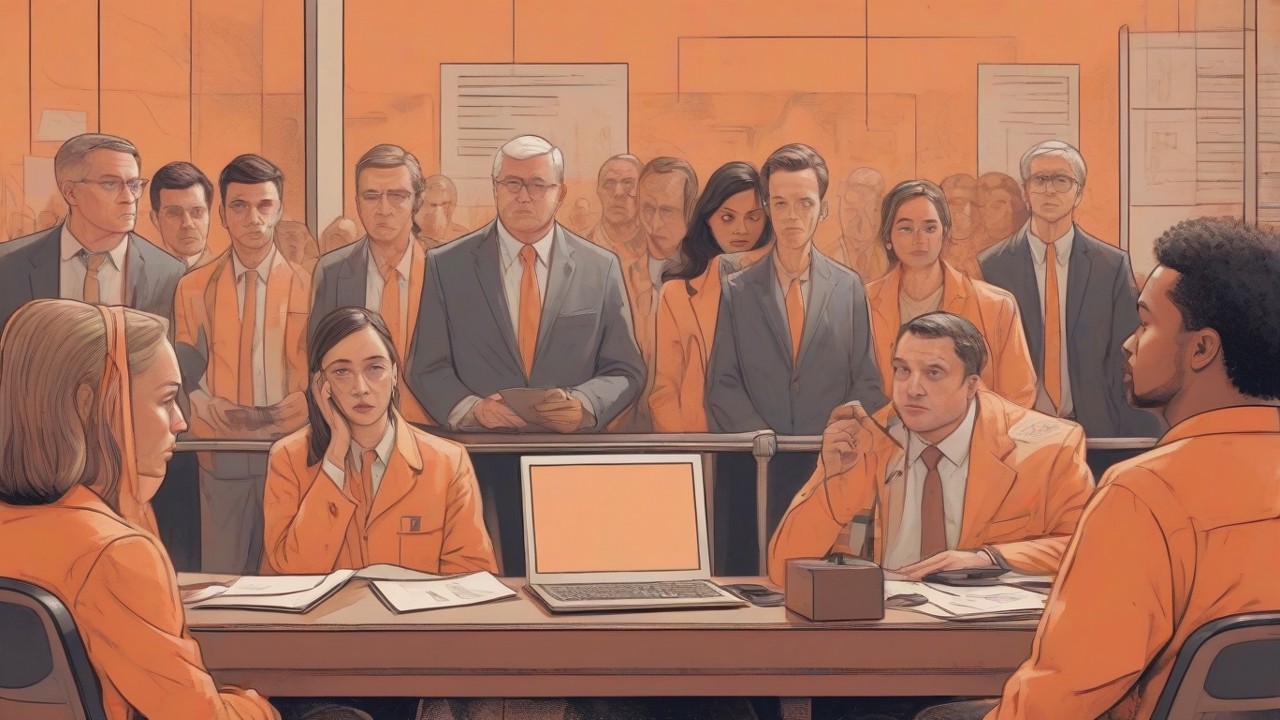
The recent sentencing of Dazhon Darien, a 32-year-old former athletic director at Pikesville High School in Maryland, to four months in jail for creating a racist and antisemitic deepfake audio recording, has brought to the forefront the misuse of artificial intelligence (AI) for personal vendettas. Darien used AI to impersonate former principal Eric Eiswert, capturing him expressing frustration with Black students and disparaging Jewish people in a fabricated recording.
Key Details of the Case
The key details of the case include:
- Involved Individual: Dazhon Darien, the former athletic director
- Crime: Creation of a deepfake audio recording using AI
- Sentence: Four months in jail as part of a plea deal
- Original Charges: Initially included theft, stalking, and retaliating against a witness
Context of the Incident
The deepfake was created shortly after Darien was informed that his contract would not be renewed due to poor job performance and allegations of mishandling school funds. Eiswert had notified Darien of this decision before the deepfake surfaced, indicating a potential motive for the creation and dissemination of the deepfake.
Separate Charges Against Darien
Darien faces a separate federal case for sexual exploitation of children and possession of child sexual abuse material, which could extend his incarceration beyond the four-month sentence for the deepfake incident.
Latest Developments in the Case
Recent developments include:
- Plea Deal: The sentencing concludes the local case but Darien’s legal challenges continue due to federal charges
- Lawsuit by Principal Eiswert: Eiswert has filed a lawsuit against the school district, alleging that Darien should not have been hired due to falsified application materials and a lack of proper background checks
Expert Insights on AI Misuse
Experts highlight that this case is among the first where AI was used to embarrass someone for personal gain, raising significant legal and ethical concerns. The ease of access to AI tools and the potential for misuse are pressing issues that many states are addressing through potential legislation.
“The use of AI to create deepfakes for malicious purposes is a wake-up call for the need for stricter regulations and public awareness about the potential misuse of AI technology.” - AI Ethics Expert
Market Impact and Future Implications
The case underscores the growing availability and misuse of AI technology for malicious purposes. As AI becomes more accessible, there is an increasing need for regulations to prevent its misuse. Schools and organizations may need to implement better security measures, including stricter vetting processes and awareness about AI-generated content.
Key Statistics
- Sentence Length: Four months
- Age of the Defendant: 32 years old
- Timing of the Incident: The deepfake recording was shared widely on social media in January, just before Darien’s contract was set to end
Future Legislative Changes
There is a push for legislation to address the misuse of AI, particularly in cases of impersonation and election interference. While a bill aimed at prohibiting AI impersonation did not pass in Maryland, similar efforts are ongoing in other states.
Conclusion and Call to Action
The Dazhon Darien case serves as a stark reminder of the potential for AI misuse and the need for immediate action in regulating AI technology. It also highlights the importance of thorough background checks and vetting processes in hiring.
FAQ
Q: What was Dazhon Darien sentenced for?
A: Dazhon Darien was sentenced to four months in jail for creating a racist and antisemitic deepfake audio recording using AI.
Q: What are the implications of this case for AI regulation?
A: The case underscores the need for stricter regulations on the use of AI to prevent its misuse for malicious purposes.
Q: How can individuals and organizations protect themselves from AI-generated deepfakes?
A: Implementing better security measures, including stricter vetting processes and awareness about AI-generated content, can help protect against deepfakes.
Q: What is being done to address the misuse of AI at a legislative level?
A: There are ongoing efforts in many states to pass legislation that prohibits the misuse of AI for impersonation and other malicious purposes.
Q: Where can one find more information on AI regulation and its impact on society?
A: Organizations focused on digital rights and technology policy, such as the Electronic Frontier Foundation (EFF) or the Center for Democracy & Technology (CDT), provide insights into legislative efforts and best practices for managing AI technology responsibly.