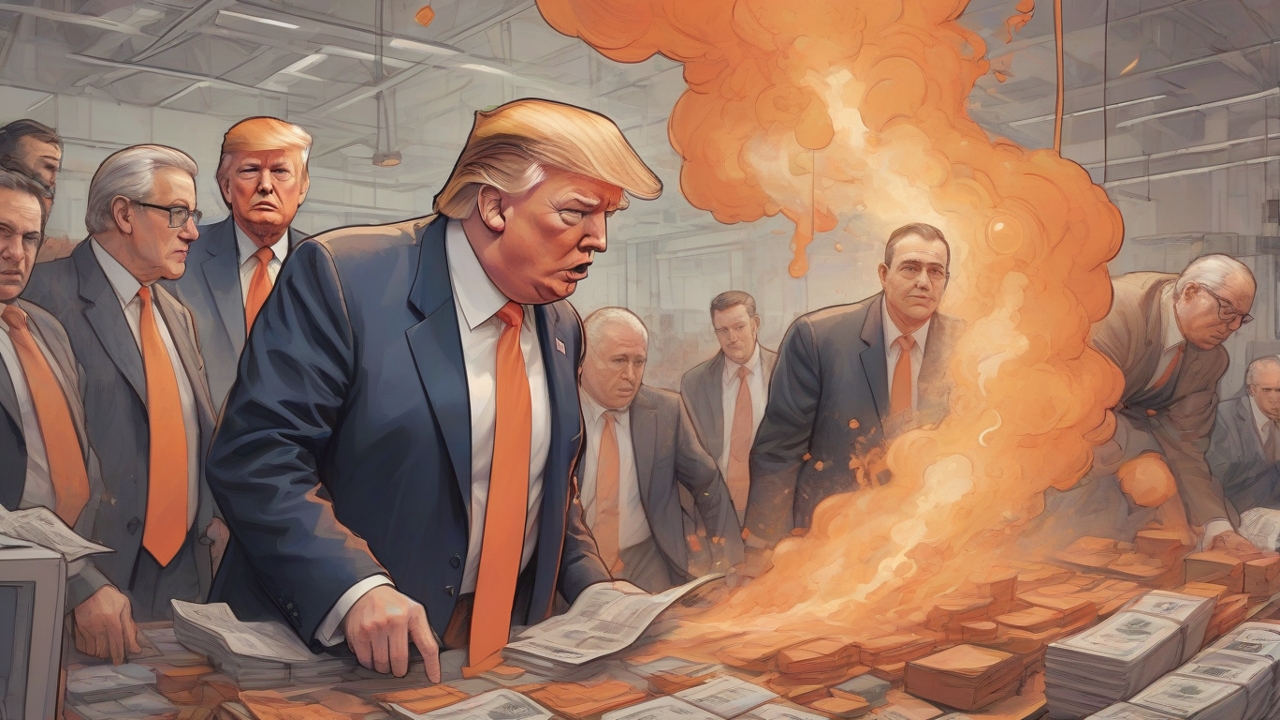
Introduction to Trump Tariffs
The first quarter of 2025 marked a significant turning point for top global corporations, as they experienced a substantial erosion in market values largely attributed to the tariffs imposed by U.S. President Donald Trump. This period saw the largest quarterly decline in nearly three years, with growing concerns about a potential U.S. recession. The impact of these tariffs on global markets is multifaceted, involving key statistics, expert opinions, and significant market developments.
Latest Developments
- Tariffs Expansion: Trump’s latest policies have expanded the scope of tariffs, targeting a broader range of products and countries. This includes increased tariffs on goods from China and other nations, as well as new tariffs on aluminum, steel, and autos.
- Reciprocal Tariffs: The President announced plans to impose reciprocal tariffs on all countries, not just those with significant trade imbalances, further exacerbating market concerns.
- National Emergency Declaration: Trump declared a national emergency to address trade deficits, invoking the International Emergency Economic Powers Act to impose tariffs designed to counter non-reciprocal trade practices.
Key Statistics
- Market Value Decline: The top 10 global companies saw a 13.2% decrease in their combined market value to $18.64 trillion by the end of Q1 2025, marking the biggest drop since June 2022.
- Tesla’s Market Value: Tesla Inc.'s market value plummeted by 35.7% to approximately $833 billion.
- Broadcom and NVIDIA Decline: Broadcom Inc and NVIDIA Corp recorded market capitalization drops of 27.56% and 19.59%, respectively.
- Nasdaq Composite Index: The Nasdaq Composite declined by 10.42%, the highest drop since June 2022.
Expert Opinions
- Goldman Sachs Downgrade: Goldman Sachs reduced its EPS growth forecasts for S&P 500 companies from 7% to 3% due to higher tariffs, slower economic growth, and increased inflation concerns.
- Economic Impact: Economists have mixed views on the tariffs. Some argue they strengthen the U.S. economy by encouraging domestic production, while others warn of potential global trade disruptions and increased costs for consumers.
- Former Biden Secretary of the Treasury Janet Yellen: She noted that tariffs do not raise prices meaningfully for American consumers, though some experts argue that tariffs can lead to higher costs and reduced consumption.
Market Impact
- Market Volatility: The tariffs have increased market volatility, particularly affecting tech stocks that had previously driven equity index gains.
- Investor Concerns: The prolonged surge in tech stocks lost momentum due to concerns over AI investments, valuations, and profitability.
- Global Trade Concerns: The imposition of tariffs has heightened fears of a global trade war and recession, impacting investor confidence and market performance.
Future Implications
- Potential Recession: The ongoing tariff policies are fueling concerns of a U.S. recession, as higher tariffs can lead to slower economic growth and increased inflation.
- Trade Relations: The reciprocal tariffs approach may strain international trade relations further, potentially leading to retaliatory measures from affected countries.
- Domestic Production: Some analysts suggest that tariffs could encourage domestic production in the U.S., potentially benefiting certain industries like steel and manufacturing.
Frequently Asked Questions
- What are Trump’s tariffs? Trump’s tariffs refer to the taxes imposed by the U.S. on imported goods from various countries, aimed at protecting domestic industries and addressing trade imbalances.
- How do tariffs affect the market? Tariffs can lead to increased costs for consumers, market volatility, and potential trade wars, impacting global economic growth and stability.
- What are the potential future implications of these tariffs? The future implications include potential recession, strained international trade relations, and increased domestic production in the U.S., depending on how the situation unfolds and the responses of other countries.